Fall Vegetable Gardening: What to Plant for a Late Harvest
Riley Hofmann
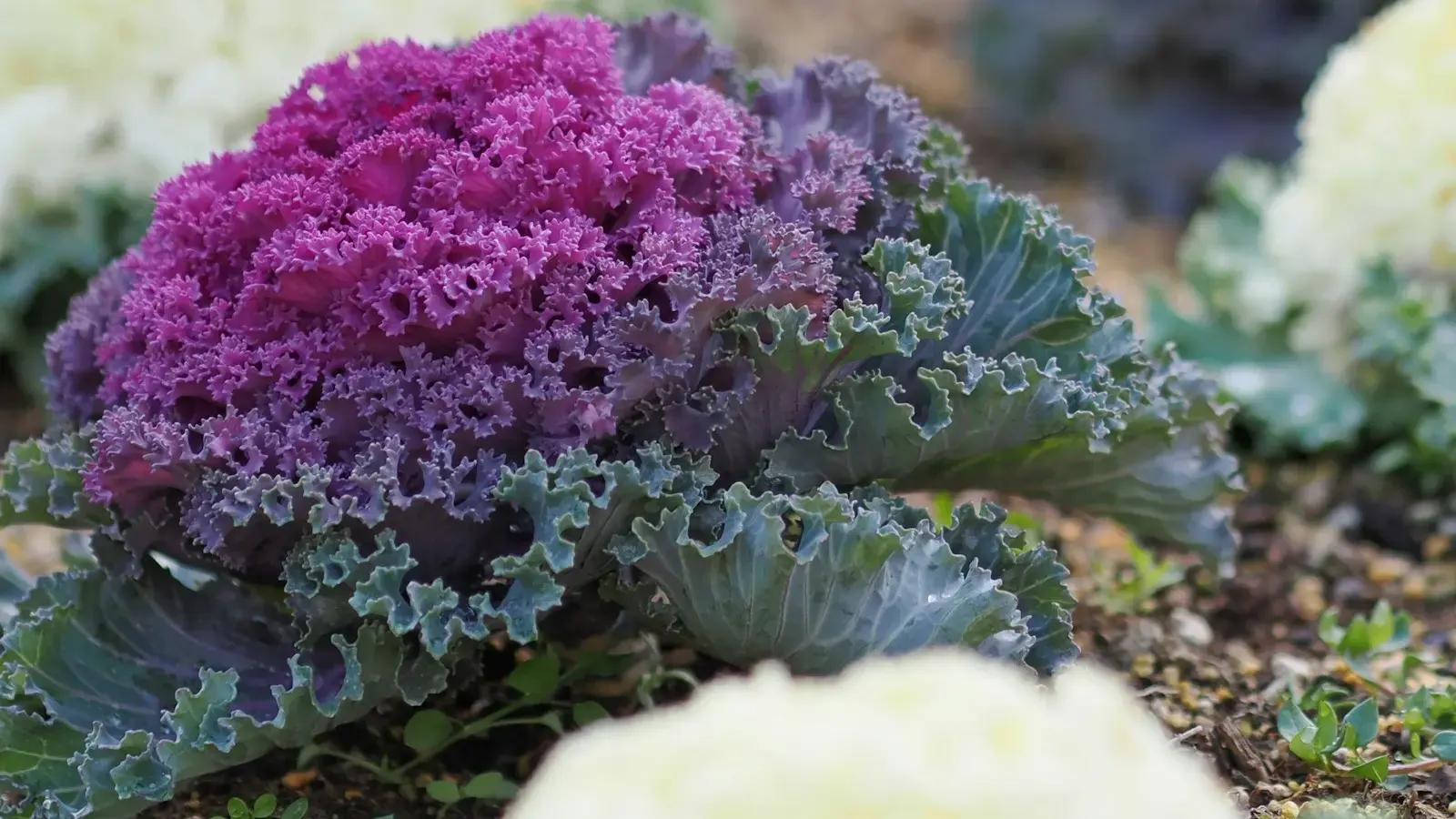
Most people plant in spring, harvest through summer, and let the bed sit empty from September on. That wastes a genuinely productive stretch of the year. Fall gardening means sowing frost-tolerant crops in midsummer so they mature as the weather cools, and a lot of them taste better after a frost than before it.
The planning is the same skill as starting seeds in spring, just pointed the other direction: instead of counting forward from your last frost, you count backward from your first one.
Counting backward from first frost
Find your average first fall frost date, then work backward using the days-to-maturity number on the seed packet. Add roughly two weeks to that number as a buffer. Plants grow more slowly in fall as daylight shortens, so the packet's estimate runs optimistic.
Pick the shortest-season varieties you can find for fall planting. Anything labeled "early season" or with a low days-to-maturity number gives you more margin before hard frost arrives.
Keep a simple list from year to year of what you actually planted and when, and how it turned out. Fall timing is less forgiving than spring, since there's no second chance if a planting misses its window, and your own results from last year beat any generic calendar.
What to plant
Fall belongs to cool-season crops, and specifically the frost-tolerant ones:
- Leafy greens: kale, spinach, Swiss chard, mustard, lettuce
- Roots: carrots, beets, radishes, turnips
- Brassicas: broccoli, cabbage, cauliflower, Brussels sprouts
- Alliums: garlic (planted in fall for next summer's harvest) and green onions
Kale and Brussels sprouts genuinely improve after frost: cold triggers them to convert starches to sugars, so they taste sweeter. University of Minnesota Extension has region-specific timing for midsummer sowing.
Hardiness varies a lot within that list. Lettuce and spinach tolerate light frost down to around 28°F, especially with row cover. Kale, Brussels sprouts, and other hardy brassicas shrug off temperatures into the low 20s and sometimes lower. Root crops mulched heavily can survive well below that, since the soil itself insulates them.
Succession planting into fall
Instead of one big fall sowing, stagger fast crops like radishes and lettuce every one to two weeks through late summer. Each batch matures a little later than the last, so you get a spread-out harvest instead of everything ready and bolting at once. It's the same radish-between-slower-crops logic that works in spring, just running later into the year.
Clearing out summer crops to make room
Pull spent summer plants as soon as they're done rather than leaving them to finish limping along. A half-dead tomato plant taking up space in August is costing you a fall planting window, not adding any real yield at that point.
Sowing in midsummer heat
The awkward part of fall gardening is that you're planting cool-season crops in the hottest part of the year. Lettuce and spinach seed germinates poorly in hot soil, so you have to work around it:
- Sow slightly deeper than you would in spring, where soil is cooler
- Keep the seedbed consistently moist: hot soil dries out fast and stalls germination
- Shade the bed with row cover or a board until seedlings emerge
- Refresh the soil with compost before sowing, since the spring crop pulled nutrients out
Overwintering crops vs. a straight fall harvest
Most of what's on this list is a fall harvest: planted in midsummer, eaten before or shortly after frost. A few crops work differently. Spinach and some hardy kale varieties, planted a bit later and left under row cover or mulch, can survive winter dormant and resume growing as soon as the soil warms in spring, giving you an earlier harvest than a fresh spring sowing would.
Garlic is the extreme version of this, rooting all winter to be harvested the following summer.
Stretching the season further
Simple season extenders buy real weeks at the end of the year. Floating row cover over hoops gives a few degrees of frost protection and is cheap. A cold frame does more. Raised beds already help here, since they drain and warm faster than ground soil.
Mulching heavily around root crops lets you leave carrots and beets in the ground well past frost and pull them as needed. The soil acts as storage. Penn State Extension covers row covers and cold frames in more detail if you want to push the season further.
Row cover comes in different weights: lightweight fabric adds roughly 2-4°F of protection and lets more light through, while heavier grades add 6-8°F but block more sun. For most fall crops, a medium weight is the better default, since you're protecting against frost more than blocking sun at that point in the year.
Plant garlic before the ground freezes
Garlic is the one fall planting that isn't about a fall harvest. Plant cloves 4-6 weeks before your ground freezes hard, mulch over them, and they'll root through winter and be ready the following summer. It's the least-effort crop I grow.
Choose hardneck varieties in colder climates. They tolerate freezing winters better than softneck types and also produce scapes, the curling flower stalk, which are worth harvesting and eating in early summer before the bulb finishes.
Frequently asked questions
- When should I plant a fall vegetable garden?
- Midsummer, typically. Count backward from your average first frost date using the seed packet's days-to-maturity number, then add about two weeks as a buffer since plants grow more slowly as daylight shortens in fall.
- What vegetables can survive frost?
- Kale, spinach, Swiss chard, collards, carrots, beets, turnips, broccoli, cabbage, Brussels sprouts, and garlic all tolerate frost. Kale and Brussels sprouts actually taste sweeter after one.
- Why won't my lettuce seed germinate in summer?
- Soil is too hot. Sow a little deeper where it's cooler, keep the bed consistently moist, and shade it with row cover or a board until seedlings come up.
- When should I plant garlic?
- About 4-6 weeks before your ground freezes hard. It roots over winter and is harvested the following summer, not in fall.
- Do I need to add fertilizer or compost for a fall crop?
- Yes: work compost into the bed before sowing. Your spring and summer crops pulled nutrients out, and fall crops are starting in depleted soil otherwise.
- Can I use transplants instead of starting fall crops from seed?
- Yes, and it's often easier for brassicas especially, since it skips the hot-soil germination problem entirely. Start them indoors in a cooler spot or buy transplants, then set them out once the worst of summer heat has passed.
- Do fall crops have fewer pest problems than spring ones?
- Some pest pressure drops as it cools, but cabbage worms and aphids still hit fall brassicas hard, especially early in the season while it's still warm. [Row cover and hand-picking](/blog/organic-pest-control-vegetable-garden) work the same way they do in spring.
- Should I fertilize fall crops the same way I fertilize spring ones?
- Compost worked in before sowing covers most of it. Skip heavy nitrogen fertilizer this late in the season, since it pushes leafy growth right when the plant should be focusing on the cold ahead.