Vertical Gardening: Growing More in a Small Space
Riley Hofmann
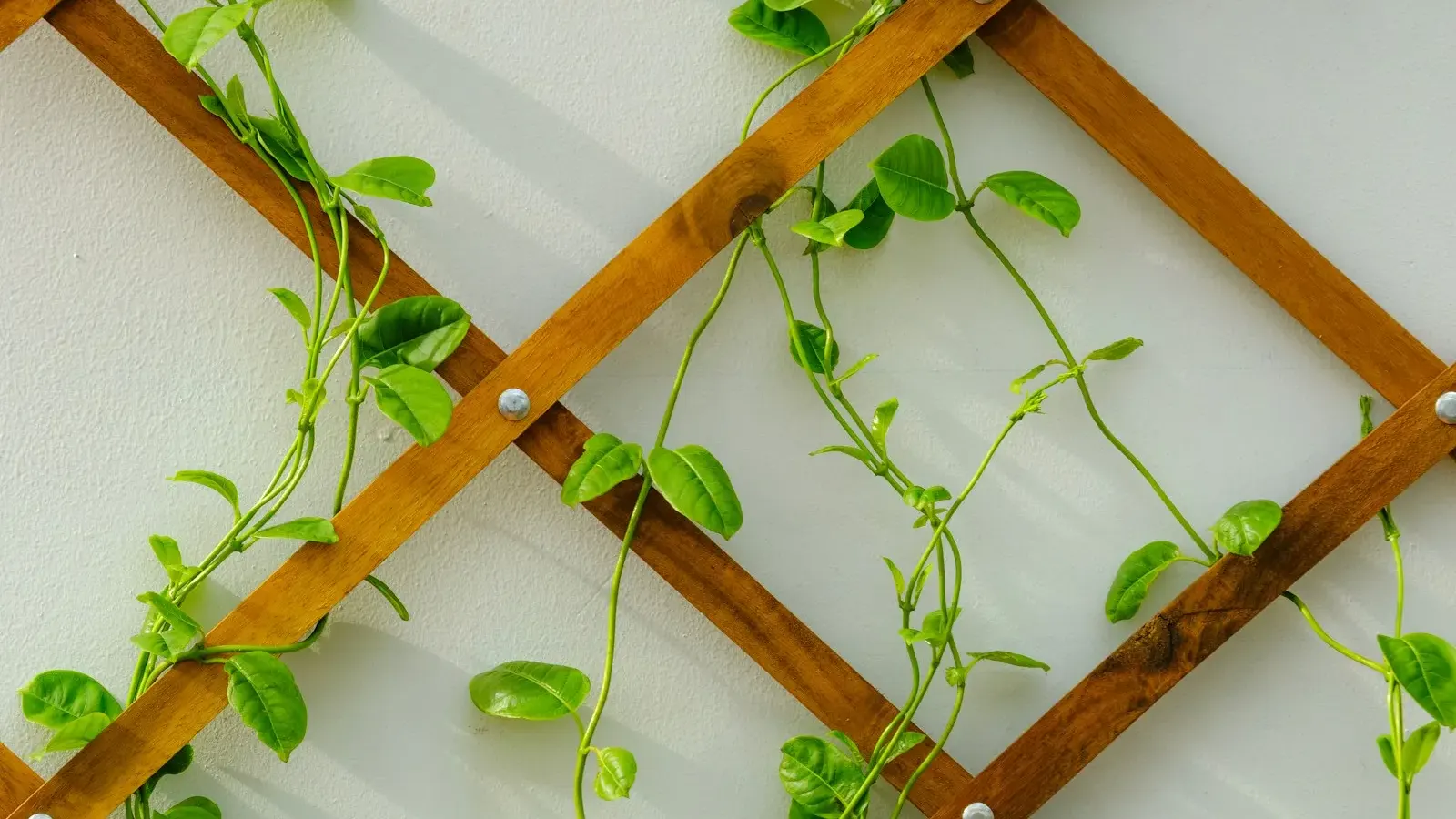
Growing up instead of out is the single best way to get more out of a small bed. Vining crops that would sprawl across 20 square feet of ground can occupy about two square feet if you give them something to climb. You also get straighter, cleaner fruit and less disease along the way.
I skipped trellising almost everything my first season, figuring I'd add supports later if I needed to. I needed to. Vining crops ate close to double the space I'd planned for in my raised bed, and I spent a weekend mid-summer moving things around to make room. A trellis up front would've solved it before it started.
Why grow vertically
- Space: vining crops take a fraction of the footprint when they climb
- Cleaner fruit: cucumbers and squash grow straighter and don't rot against wet soil
- Less disease: better airflow and no soil splashing onto leaves
- Easier harvest: fruit hangs at eye level instead of hiding under leaves on the ground
- Better pollination access: bees and other pollinators reach flowers more easily on an open, vertical plant than buried in a sprawling tangle
Which crops actually climb
Some crops climb on their own; others need to be tied or supported:
- Natural climbers: pole beans, peas, and cucumbers grab on by themselves with tendrils
- Need support and tying: indeterminate (vining) tomatoes will sprawl forever unless caged or staked
- Can be trellised with help: small winter squash, melons, and gourds, though heavy fruit needs a sling to support it
- Don't bother: bush beans, determinate tomatoes, root crops, and greens have no climbing habit
University of Wisconsin Extension breaks down which technique fits which crop in more detail. This is also the mechanism behind the three sisters companion planting method, where corn works as a living trellis for pole beans instead of a built one.
Peas are also one of the easier climbers for kids to grow: fast, visual, and the trellis gives them something to watch happen day to day.
Trellises, stakes, and cages
Three basic approaches, and which you use depends on the crop:
- Trellis: vertical supports with netting, mesh, lattice, or twine strung between. Best for peas, beans, cucumbers
- Cage: a cylinder around the plant it grows up through. Best for indeterminate tomatoes
- Stake: a single pole with the plant tied to it as it grows. Simplest option, needs the most ongoing attention
For climbing surfaces, keep the gaps no more than about four inches across so tendrils can actually grab on. Virginia Cooperative Extension has construction details if you're building rather than buying.
Height matters as much as style. Pole beans and cucumbers want at least 6 feet to really perform. Peas are shorter-statured and do fine on a 4-5 foot trellis. Indeterminate tomatoes in a cage benefit from the tallest cage you can find, since a too-short cage just means more tying and flopping once the plant outgrows it.
Cattle panel arched over a bed makes a sturdy, reusable trellis that handles heavy vines like squash and melons without sagging. Bamboo teepees work well for pole beans and cost almost nothing. String trained between two posts, sometimes called the Florida weave, is the simplest option for tomatoes if you don't want to buy or build a cage.
Training vines onto the structure
Tendriled climbers like peas and cucumbers mostly find their own way once they're close enough to touch the trellis, but they need that first nudge. Loosely tie or weave the earliest growth onto the structure by hand, and after that they generally take over on their own.
Tomatoes in a cage need more ongoing attention: guide new growth back inside the cage every week or two rather than letting it flop outward, or you lose the whole point of caging it in the first place.
Supporting heavy fruit on a trellis
Melons and larger winter squash need help once fruit sets, or the weight tears it off the vine before it's ripe. A simple sling made from an old pillowcase, a mesh produce bag, or a strip of pantyhose tied to the trellis does the job. Support the fruit as soon as it's about the size of a fist, not after it's already heavy.
Build it before you plant
Put the structure in first, or at latest right after seedlings go in. Trying to install a trellis or cage around an established, sprawling plant means breaking stems and tearing roots. I've done it and it's not worth it.
Anchor it properly, too. A trellis full of mature cucumber vines catches wind like a sail, and a structure that tips over in an August storm takes the whole crop down with it.
Where to put it in the bed
Put vertical structures on the north side of the bed so they don't shade everything behind them. The one exception is deliberate: if you want lettuce or spinach to survive summer heat, tuck them into the shade the trellis casts.
Leave enough room behind the structure too, at least a foot or two, so you can actually reach in to tie, prune, or harvest without climbing over other plants to get there.
Frequently asked questions
- What vegetables grow well vertically?
- Pole beans, peas, and cucumbers climb naturally with tendrils. Indeterminate tomatoes grow vertically with a cage or stake and tying. Small winter squash and melons can be trellised if you support heavy fruit with a sling.
- What's the difference between a trellis, a cage, and a stake?
- A trellis is vertical supports with netting or mesh between them, best for natural climbers. A cage is a cylinder the plant grows up through, best for indeterminate tomatoes. A stake is a single pole you tie the plant to as it grows.
- How big should the openings in trellis netting be?
- No more than about four inches across, so tendrils can wrap around the material and climb easily.
- When should I install a trellis?
- Before planting, or right after seedlings go in. Installing supports around an established sprawling plant damages stems and roots.
- Where should a trellis go in a raised bed?
- On the north side, so it doesn't shade the rest of the bed, unless you intentionally want that shade for heat-sensitive greens like lettuce or spinach in summer.
- How tall should a trellis be?
- It depends on the crop. Pole beans and cucumbers do best with at least 6 feet of height. Peas are shorter and fine with 4 to 5 feet. For tomato cages, taller is generally better, since a short cage just means more tying once the plant outgrows it.
- Do climbing plants need to be tied to a trellis, or will they climb on their own?
- Tendriled crops like peas and cucumbers climb on their own once they're close enough to grab the structure, though the earliest growth usually needs a gentle nudge to reach it. Tomatoes don't have tendrils at all and need to be tied or guided the whole season.
- Do I need to support melons or squash grown vertically?
- Yes, once fruit sets. A sling made from an old pillowcase, mesh bag, or pantyhose tied to the trellis keeps the weight from tearing fruit off the vine before it's ripe.